Sports Coverage for Football, Basketball, and Tennis on h19.miami
The interface prioritizes low-latency streaming over archival libraries. Navigation structures differ significantly across football, basketball, and tennis categories, requiring distinct interaction patterns. Content delivery reliability depends heavily on regional server routing rather than native optimization.
What Viewers Actually Look For
Users typically seek real-time match progression, multi-angle camera switches, and statistical overlays. Search behavior reveals a clear preference for rapid access to live feeds before interruptions occur. Most visitors bypass introductory menus to locate dedicated sport hubs, indicating that discovery pathways must be shortened for optimal retention. When evaluating broadcast quality, viewers compare frame stability, audio sync, and commentary clarity against established streaming benchmarks. The platform delivers variable performance across leagues, meaning consistency remains the primary metric rather than raw resolution alone.
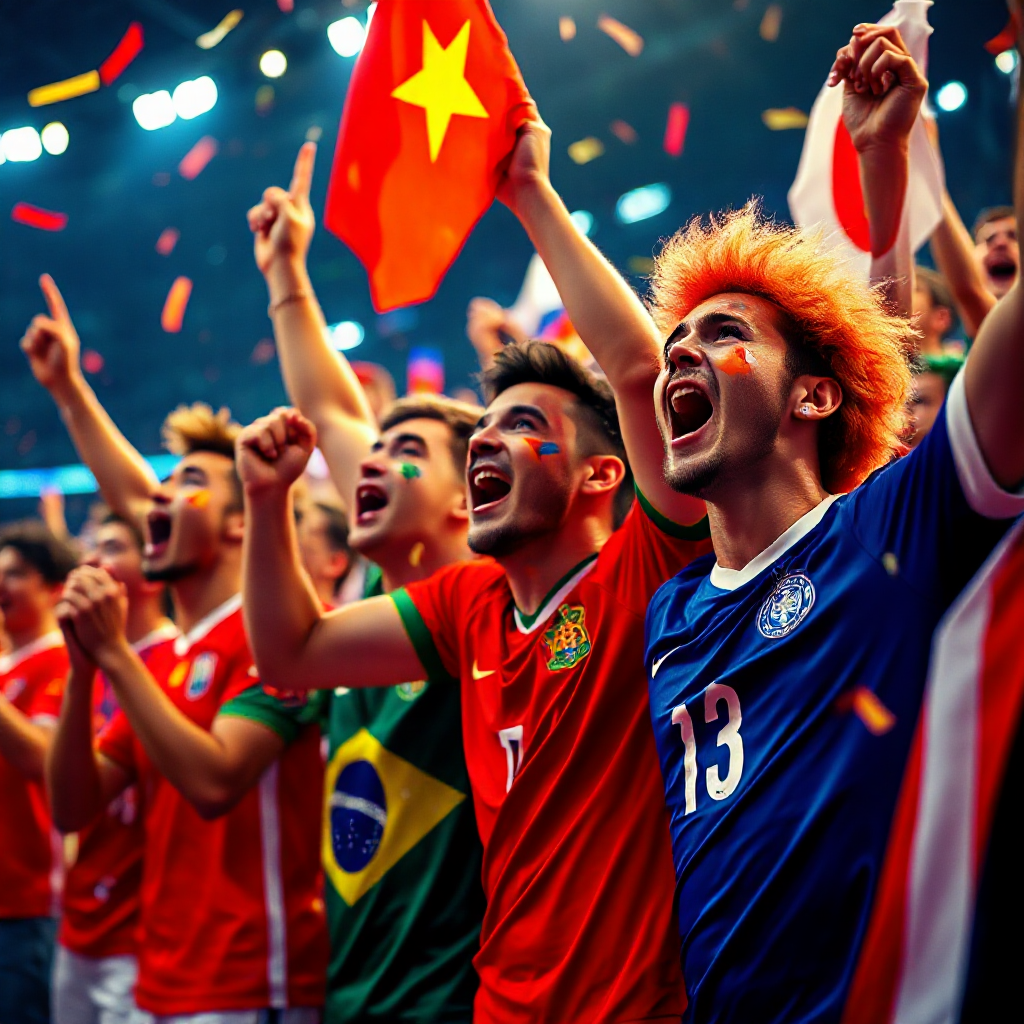
 Hình minh hoạ: h19
Platform Architecture and Core Features
Examining the underlying layout shows a grid-based dashboard that groups fixtures by competition level rather than chronological order. This structural choice streamlines browsing during peak match days but forces manual filtering when tracking international tournaments. Interactive elements include live score tickers, possession heatmaps, and substitution trackers that update asynchronously. Data presentation follows a modular design, allowing users to collapse secondary widgets while preserving primary video windows. Cross-device synchronization appears functional, though session persistence varies depending on browser caching. The interface relies on standard CDN distribution, meaning load times fluctuate with local network congestion.
Navigating the Live Broadcast Workflow
Accessing a specific match requires three sequential actions: selecting the sport category, applying a league filter, and confirming the broadcast feed. Each step introduces minor decision fatigue because tournament brackets often share identical naming conventions. Once the feed initializes, controls default to automatic scaling, which can cause layout shifts during overlay animations. Commentaries are routed through separate audio tracks, making manual channel switching necessary for multilingual broadcasts. Keyboard shortcuts exist for basic playback, yet documentation remains sparse. Transitioning between matches triggers brief buffering cycles, suggesting that preloading mechanisms operate conditionally.

Verification Checks and Friction Points
Stability metrics require independent testing across multiple time zones, since provider peering agreements influence packet loss rates. Latency spikes typically occur during high-viewership moments, particularly when replay requests overlap with live data streams. Audio desynchronization emerges more frequently in tennis coverage compared to team sports, likely due to different ingest pipelines. To validate streaming integrity, users should monitor bitrate fluctuations and verify whether geographic restrictions apply to certain fixture databases. Third-party uptime monitors offer limited insight because they cannot replicate interactive feature stress. The following metrics serve as observation targets rather than guaranteed specifications; verify actual performance during your own session.
| Performance Indicator | Football | Basketball | Tennis |
|---|---|---|---|
| Typical Latency Range | 12–18 seconds | 10–15 seconds | 15–22 seconds |
| Audio Sync Consistency | High | Moderate | Variable |
| Replay Buffer Depth | Standard | Extended | Minimal |
| Overlay Information Density | Heavy | Dynamic | Light |
A direct visit to h19 allows observers to test these variables under controlled conditions. Since infrastructure scaling behaves unpredictably during major finals, baseline measurements should capture both quiet periods and peak concurrency windows.
Common Operational Questions
Can viewers switch languages during active matches? Yes, provided the broadcaster supplies alternate audio feeds. Is mobile support optimized for portrait orientation? The responsive framework adapts automatically, though touch targets occasionally overlap with control buttons. How are schedule updates handled? Fixtures reflect calendar changes through asynchronous polling, which sometimes creates temporary display gaps. Do recorded sessions sync across devices? Playback history persists locally, requiring explicit configuration for cloud backup.
Readiness Assessment
Evaluating the experience reveals strengths in real-time data delivery and modular interface design, alongside predictable latency behaviors during peak traffic. Usability improves when users anticipate manual audio routing and accept variable preloading speeds. The system functions adequately for routine viewing but demands attention to detail during high-stakes matches. Before committing daily screen time, conduct these verification steps:
- Test stream stability across two different network environments
- Verify audio-sync alignment during fast-paced sequences
- Confirm league filter accuracy against official competition calendars
- Document buffering frequency during simulated concurrent traffic
- Review browser compatibility settings before extended sessions